
Understanding The Causes Of Low Water Pressure In Your Plumbing System
Dealing with low water pressure in your plumbing system can be a frustrating experience. When you turn on the faucet or shower, and only a weak trickle comes out, it can disrupt your daily routines and make simple tasks like washing dishes or taking a shower feel like a chore. To effectively address this issue, it is crucial to understand the causes of low water pressure.
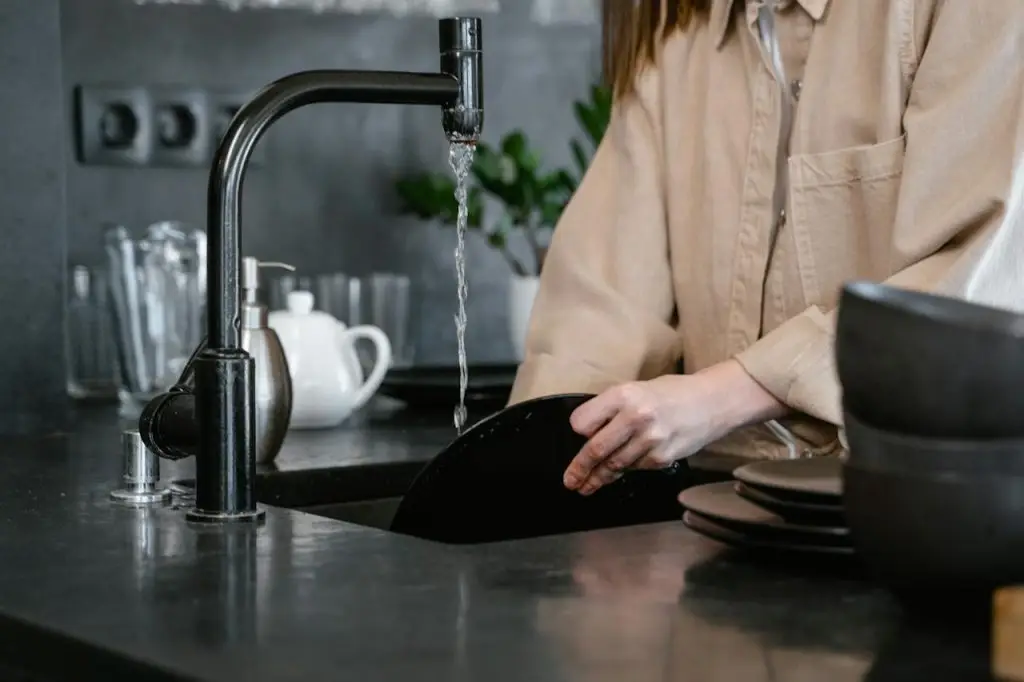
Multiple factors can contribute to low water pressure inside your home. It could be due to a problem with the main water supply line, such as high demand or inadequate flow. The buildup of mineral deposits or debris within the pipes can also restrict water flow. Issues with fixtures, such as clogged aerators or faulty valves, may be causing the low pressure.
By identifying and addressing these underlying causes, you can restore proper water flow and alleviate the frustration of dealing with low water pressure.
Common Causes Of Low Water Pressure In Plumbing Systems
1. Clogged Pipes Or Fixtures
One common cause of low water pressure in plumbing systems is clogged pipes or fixtures. Over time, debris and mineral deposits can build up inside the pipes, restricting the flow of water. This can lead to poor water pressure in your faucets, showerheads, and other plumbing fixtures. It’s like trying to drink a thick milkshake through a narrow straw – the flow is restricted!
Pros:
- Easy to fix by cleaning or unclogging the affected pipes or fixtures.
- Regular maintenance can help prevent clogs and maintain good water pressure.
Cons:
- If left unaddressed, clogs can worsen over time and lead to complete blockages.
- DIY unclogging methods may not always be effective for severe clogs.
2. Aging Infrastructure And Corroded Pipes
Another factor that can contribute to low water pressure is aging infrastructure and corroded pipes. As plumbing systems get older, the pipes may deteriorate due to rust and corrosion. This can result in reduced water flow and lower pressure throughout your home. It’s like having a leaky bucket with holes that let out some of the water before it reaches its destination.
Pros:
- Replacing old or corroded pipes can improve both water pressure and overall system efficiency.
- Newer materials used in modern plumbing systems are less prone to corrosion.
Cons:
- Replacing all the pipes in an entire plumbing system can be costly and disruptive.
- Corrosion may continue to occur if proper maintenance measures are not taken.
3. Municipal Supply Issues
Sometimes, low water pressure problems are not directly related to your own plumbing system but rather stem from municipal supply issues. High demand during peak usage times or maintenance work being carried out by the local authorities can affect the overall water pressure reaching your home. It’s like everyone trying to squeeze through a single door at the same time – it can slow things down!
Pros:
- Temporary issues are usually resolved once the demand decreases or maintenance work is completed.
- Contacting your local water authority can help you stay informed about any ongoing supply problems.
Cons:
- The timing of these issues may be unpredictable, causing inconvenience.
- You may need to wait for the municipal authorities to resolve the problem.
4. Inadequate Pipe Sizing During Installation
Lastly, inadequate pipe sizing during the initial installation of plumbing systems can lead to reduced water flow and low pressure. If pipes are too small in diameter, they will be able to handle the required volume of water, resulting in better pressure. It’s like trying to pour a gallon of water through a tiny funnel – it just won’t fit!
Pros:
- Properly sizing pipes during installation ensures optimal water flow and pressure.
- Upgrading pipe sizes can improve overall system performance.
Impact Of Broken Pressure Regulator On Water Pressure
A malfunctioning pressure regulator can have a significant impact on the water pressure in your plumbing system. The pressure regulator plays a crucial role in maintaining the balance between incoming and outgoing water pressures. When it fails to regulate properly, it can result in excessively high or low pressures throughout the system, leading to various issues.
One common problem caused by a broken pressure regulator is low water flow or pressure. This occurs when the regulator fails to maintain a consistent and adequate level of pressure within the pipes. As a result, you may experience weak water flow from faucets, showers, or other fixtures in your home.
The main culprits behind low water pressure due to a broken pressure regulator are broken diaphragms or springs within the regulator itself. These components are responsible for regulating and controlling the flow of water through the system. If they become damaged or worn out over time, they can lead to fluctuations in water pressure.
Regular inspection and maintenance of the pressure regulator are crucial for avoiding problems with low water pressure. By keeping an eye on its condition, you can identify any signs of damage early on and take appropriate measures to fix them before they worsen.
Here are some key points to understand about the impact of a broken pressure regulator on water pressure:
Pros:
- A functioning pressure regulator ensures consistent and adequate water flow throughout your plumbing system.
- Regular maintenance and inspection can help prevent issues with low water pressure caused by a broken regulator.
- Fixing or replacing a faulty regulator can restore proper water flow and improve overall performance.
Cons:
- Ignoring problems with your pressure regulator can lead to persistent low water pressure issues.
- Fluctuating pressures caused by a malfunctioning regulator can put additional stress on your plumbing system.
- Inadequate repairs or improper installation of a new regulator may exacerbate existing problems.
Effect Of Plumbing Leaks On Water Pressure
Leaking pipes can have a significant impact on the water pressure in your plumbing system. These leaks divert some of the flow away from its intended outlets, resulting in reduced overall water pressure. Even small drips or minor leaks over time can gradually lower the efficiency of the entire system and decrease the available flow rate.
One of the challenges with plumbing leaks is that they may go unnoticed, especially if they are hidden within walls or underground. However, even these hidden leaks can have a detrimental effect on your home’s water supply and pressure. It’s important to be vigilant and address any signs of leaks promptly.
Fixing leaks in your plumbing system is vital for maintaining adequate water pressure. Here are some potential consequences if you neglect to address these issues:
Decreased Flow Rate
When there are leaks in your plumbing system, it means that some of the water is being diverted before it reaches its intended destination. As a result, less water flows through your faucets, showers, and other outlets. This reduction in flow rate can make it difficult to perform everyday tasks such as showering or washing dishes efficiently.
Inconsistent Water Pressure
Plumbing leaks can also lead to inconsistent water pressure throughout your home. You may notice that certain fixtures have stronger water pressure while others seem weak or barely functional. This inconsistency can be frustrating and inconvenient, especially when you’re trying to use multiple outlets simultaneously.
Increased Water Bills
Leaking pipes not only waste precious water but also contribute to higher utility bills. Even small drips add up over time, leading to increased consumption and costs. By promptly fixing any leaks, you can save both water and money.
Potential Structural Damage
Undetected plumbing leaks within walls or underground can cause structural damage over time. The constant presence of moisture can weaken building materials like drywall or wood, leading to mold growth or even structural instability if left unaddressed. It’s crucial to identify and repair these leaks promptly to avoid costly repairs down the line.
Contribution Of Corroded Plumbing Lines To Low Water Pressure
Corrosion inside plumbing lines can have a significant impact on the water pressure in your home. Over time, pipes can become corroded due to various factors such as age, mineral deposits, or chemical reactions with the water. This corrosion narrows the diameter of the pipes, restricting the amount of flowing water and causing reduced pressures at fixtures.
One consequence of corrosion is rust buildup on the interior walls of the pipes. As rust accumulates, it reduces its capacity for delivering sufficient amounts of pressurized water throughout your home’s plumbing system. This can result in lower water pressure at sinks, showers, and other fixtures.
Furthermore, corrosion weakens the structural integrity of pipes over time. Weakened pipes are more prone to leaks and further diminish water pressure. Leaks not only waste precious water but also contribute to even lower pressures as they divert some of the flow away from where it is needed.
Regular inspections and proactive measures can help prevent or address corrosion-related issues before they lead to low water pressure problems. Here are some steps you can take:
Regular Inspections:
- Schedule regular inspections by a professional plumber who can assess the condition of your plumbing lines.
- Look for signs of corrosion such as discolored or rusty spots on visible pipes.
- Pay attention to any unusual noises or vibrations coming from your plumbing system, as these could indicate underlying issues.
Water Quality Maintenance:
- Test your water quality regularly to identify any high levels of minerals or chemicals that may contribute to pipe corrosion.
- Install a whole-house filtration system or point-of-use filters to remove impurities from your water supply.
Pipe Replacement:
- Consider replacing old galvanized steel or copper pipes with more durable materials like PEX (cross-linked polyethylene) or PVC (polyvinyl chloride).
- Consult with a professional plumber to determine which type of pipe material would be best suited for your specific needs.
Water Pressure Regulation:
- Install a pressure regulator to ensure that the water pressure in your home remains within safe and optimal levels.
- High water pressure can accelerate corrosion, so it’s important to keep it in check.
By addressing corrosion issues promptly and taking preventive measures, you can help maintain adequate water pressure throughout your plumbing system. Remember, regular inspections and maintenance are key to identifying and resolving any potential problems before they result in low water pressure or costly repairs.
Impact Of Leaking Water Pipes On Water Pressure
Leaking pipes can have a significant impact on the water pressure in your plumbing system. When pipes develop leaks, some of the water flow is lost through these openings, resulting in a decrease in overall pressure. The severity of the leak determines how much pressure is affected. Larger leaks tend to cause more substantial reductions in water pressure compared to smaller ones.
If you have undetected leaks in your plumbing system, they can lead to ongoing low water pressure until they are identified and repaired. This means that you might experience weak or slow-flowing water from your faucets and showerheads. It’s important to monitor your plumbing system for any signs of leakage to maintain optimal water pressure throughout your home.
Leaks Leading To Low Water Pressure
When there are leaks in your plumbing system, the water intended for various fixtures and appliances may not reach them at full force due to the loss of pressure caused by these leaks. As a result, you may notice reduced water flow or weaker streams when using taps, showers, or other outlets connected to the affected pipes.
Severity Of Leaks
The severity of a leak directly impacts how much it affects the overall water pressure in your plumbing system. A small pinhole leak may only cause a minor reduction in pressure, while larger cracks or holes can result in more noticeable drops in water flow.
Detecting And Repairing Leaks
To prevent ongoing low water pressure due to undetected leaks, it’s crucial to regularly inspect your plumbing system for any signs of leakage. Look out for damp spots on walls or ceilings, mold growth, musty odors, or unexplained increases in your water bill – all potential indicators of hidden leaks.
Once you’ve identified a leak, it’s essential to repair it promptly. Depending on the severity and location of the leak, you may be able to fix it yourself with simple tools like pipe clamps or epoxy putty. However, for more complex leaks or extensive plumbing issues, it’s best to call a professional plumber who can assess the situation and provide appropriate repairs.
Maintaining Optimal Water Pressure
Regular maintenance of your plumbing system is key to maintaining optimal water pressure. In addition to checking for leaks, consider other factors that can affect water pressure, such as mineral buildup in pipes or faulty pressure regulators. By addressing these issues promptly, you can ensure consistent and adequate water flow throughout your home.
Remember, even small leaks can have a significant impact on your water pressure over time. So stay vigilant and address any signs of leakage promptly to keep your plumbing system functioning at its best.
Role Of The Water Meter Valve In Maintaining Proper Water Pressure
The water meter valve plays a crucial role in ensuring that your plumbing system maintains proper water pressure. This valve, also known as the main shut-off valve, controls the flow of water into your home’s plumbing system. It is typically located near the point where the main water line enters your property.
A partially closed or malfunctioning meter valve can restrict the amount of incoming water, resulting in reduced pressure throughout your property. If you notice low water pressure in your faucets, showers, or other fixtures, it’s essential to check the status of this valve.
Properly adjusting or repairing the meter valve can help restore adequate water flow and pressure. Here are some key points to consider:
Checking And Adjusting The Meter Valve
- Locate the meter valve: Find where the main shut-off valve is located on your property. It is usually situated near an exterior wall or underground in a utility box.
- Inspect for obstructions: Ensure that there are no objects or debris blocking access to the meter valve. Clear away any dirt or vegetation that may hinder its operation.
- Check if fully open: Verify whether the meter valve is fully open by turning it counterclockwise until it stops. This position allows for maximum water flow into your plumbing system.
- Test pressure gauge: Use a pressure gauge to measure the current water pressure after opening the meter valve completely. Normal water pressure typically ranges between 40-60 pounds per square inch (psi).
Repairing A Malfunctioning Meter Valve
- Identify signs of malfunction: If you’re experiencing consistently low water pressure even after opening the meter valve fully, there may be an issue with its functionality.
- Call a professional plumber: Contact a licensed plumber who can inspect and repair any problems with your meter valve. They have specialized tools and expertise to diagnose issues accurately.
- Replace the valve if necessary: In some cases, the meter valve may be irreparable due to age or severe damage. A plumber can replace it with a new one, ensuring optimal water flow and pressure.
The Importance Of Proper Water Pressure
Having adequate water pressure is vital for various everyday tasks, such as showering, washing dishes, and doing laundry. Insufficient pressure can lead to frustration and inconvenience.
Maintaining proper water pressure also prevents potential issues with appliances like water heaters and washing machines. These devices require a certain level of pressure to function efficiently.
Common Issues With Pressure Regulators And Their Effect On Water Pressure
Pressure regulators play a crucial role in maintaining consistent water pressure throughout your plumbing system. However, like any other component, they can experience malfunctions that lead to low water pressure issues. Let’s take a closer look at some common issues with pressure regulators and how they can affect the water pressure in your home.
Blockages Or Failures
One of the main causes of low water pressure is blockages or failures within the pressure regulator itself. Over time, debris, sediment, or mineral deposits can accumulate inside the regulator, obstructing the flow of water. This can result in inconsistent or reduced water pressure throughout your plumbing system.
Incorrectly Set Regulators
Another issue that can affect water pressure is incorrectly set regulators. Sometimes, during installation or maintenance, the pressure regulator may be set too low, limiting the incoming pressures below what is required for normal operation. As a result, you may experience weak flows from faucets and showers.
Aging Regulators
As your plumbing system ages, so do its components, including the pressure regulator. Over time, these regulators may lose their ability to maintain consistent pressures due to wear and tear. This can lead to fluctuations in water pressure or reduced flow rates.
Regular Inspection And Maintenance
To prevent and address issues with pressure regulators effectively, it is essential to conduct regular inspections and maintenance. By doing so, you can identify any problems early on and take appropriate measures to rectify them.
Here are a few steps you can take:
- Schedule periodic inspections by a professional plumber who can assess the condition of your pressure regulator.
- Clean or replace aerators on faucets regularly to prevent blockages caused by debris.
- Check for leaks around the regulator that could indicate a malfunction.
- If you notice any significant changes in water pressure throughout your home, contact a plumber immediately to investigate further.
By following these maintenance practices, you can ensure that your pressure regulators are functioning optimally and maintaining the desired water pressure in your plumbing system.
Influence Of Clogged Pipes On Water Pressure
Clogged pipes can have a significant impact on the water pressure in your plumbing system. When debris accumulates within the pipes, it can obstruct the free flow of water, resulting in decreased overall system pressures. This means that you may experience reduced water flow from your faucets and showerheads, making it difficult to carry out everyday tasks like washing dishes or taking a shower.
One common cause of clogged pipes is mineral deposits from hard water sources. Over time, these minerals can build up inside the pipes and create blockages that affect both hot and cold water supplies. The presence of these mineral deposits can restrict the flow of water, leading to lower water pressure throughout your plumbing system.
Clogs at specific fixtures, such as sinks or showers, are often an indication of localized pipe obstructions. These clogs can be caused by various factors, including hair, soap scum, or food particles getting stuck in the pipes. When only one fixture is affected by low water pressure while others are functioning normally, it suggests that there is a localized issue with the piping leading to that particular outlet.
To address clogging issues and restore proper water pressure in your plumbing system, periodic cleaning or professional plumbing services may be necessary. Here are some steps you can take to prevent and alleviate clogging problems:
- Regular maintenance: Schedule regular maintenance for your plumbing system to ensure any potential clogs are identified and addressed promptly.
- Use drain screens: Install drain screens in sinks and showers to catch debris before it enters the pipes and causes blockages.
- Avoid pouring grease down drains: Grease solidifies when it cools down, which can lead to pipe blockages over time. Dispose of grease properly instead of pouring it down the drain.
- Flush drains with hot water: Regularly flush your drains with hot water to help dissolve any buildup inside the pipes and prevent clogs.
- Consider professional cleaning: If you’re experiencing persistent clogging issues, it may be beneficial to hire a professional plumber who can thoroughly clean your pipes using specialized equipment.
By taking these preventive measures and addressing clogging issues promptly, you can maintain optimal water pressure throughout your plumbing system and ensure that water flows freely from all your fixtures.
Identifying Low-Water-Pressure Problems In Your Plumbing System
Identifying low-water-pressure problems in your plumbing system is crucial for maintaining a functioning and efficient water supply. By understanding these potential issues, you can take proactive steps to address them and ensure optimal water pressure in your home.
To resolve low-water-pressure problems effectively, it is important to consult a professional plumber who can accurately diagnose the underlying causes and provide appropriate solutions. Remember to consider factors such as age and condition of your plumbing system when assessing potential issues. Regular maintenance and inspections are essential for preventing future problems and ensuring proper water flow throughout your home. If you continue experiencing low water pressure despite troubleshooting efforts or if you require expert assistance, reach out to a trusted plumbing professional who can help restore your system’s performance.
Take control of your plumbing system today by addressing low-water-pressure problems promptly. Your reliable plumber will guide you through the necessary steps to improve your water flow and enhance the overall efficiency of your plumbing system. Don’t let low water pressure disrupt your daily activities any longer – act now to enjoy a steady supply of running water throughout your home.
Sources:
Tired Of Dealing With That Persistent Low Water Pressure?
Looking for a plumber you can truly trust to solve your plumbing woes? Look no further! Experience a plumbing revolution tailored for your convenience with Bay Area Plumbing – BAP Inc., led by the renowned Ron Lem, The Dutchman. Our local Concord plumbing team is dedicated to addressing all your plumbing needs, from those pesky leaks to complete replacements and repairs of sinks, faucets, toilets, and water heaters.
When you choose BAP for your leaky faucet repair and plumbing solutions, you’re making a choice that guarantees quality, respects your precious time, and prioritizes your satisfaction above all else. We back our work with a rock-solid, signed, written guarantee, ensuring you receive top-notch service. Worried about the cost? Don’t be! Get a free estimate today, and we promise to beat any written quote you receive. We understand that your time is valuable, so schedule your service at your convenience, and we’ll be there when you need us. Our dedication to you doesn’t end until your problem is fully resolved, and we’re committed to complete upfront transparency, with no hidden costs or surprises – just clear, fair pricing. Plus, enjoy the peace of mind of round-the-clock support with free estimates and service available 24/7.
Don’t compromise on your plumbing needs. When it’s time to address that leaky faucet or any plumbing issue, make the choice that guarantees quality, respects your time, and prioritizes your satisfaction. Call BAP today, and experience the plumbing service you deserve!
Disclaimer
The materials available on this website are for informational and entertainment purposes only and not to provide legal advice. You should contact your attorney to obtain advice concerning any particular issue or problem. You should not act or refrain from acting based on any content included in this site without seeking legal or other professional advice. The information presented on this website may not reflect the most current plumbing developments. No action should be taken in reliance on the information on this website. We disclaim all liability concerning actions taken or not taken based on any or all of the contents of this site to the fullest extent permitted by law.