
Sewer Line Blockages: The Silent Culprit Behind Plumbing Issues
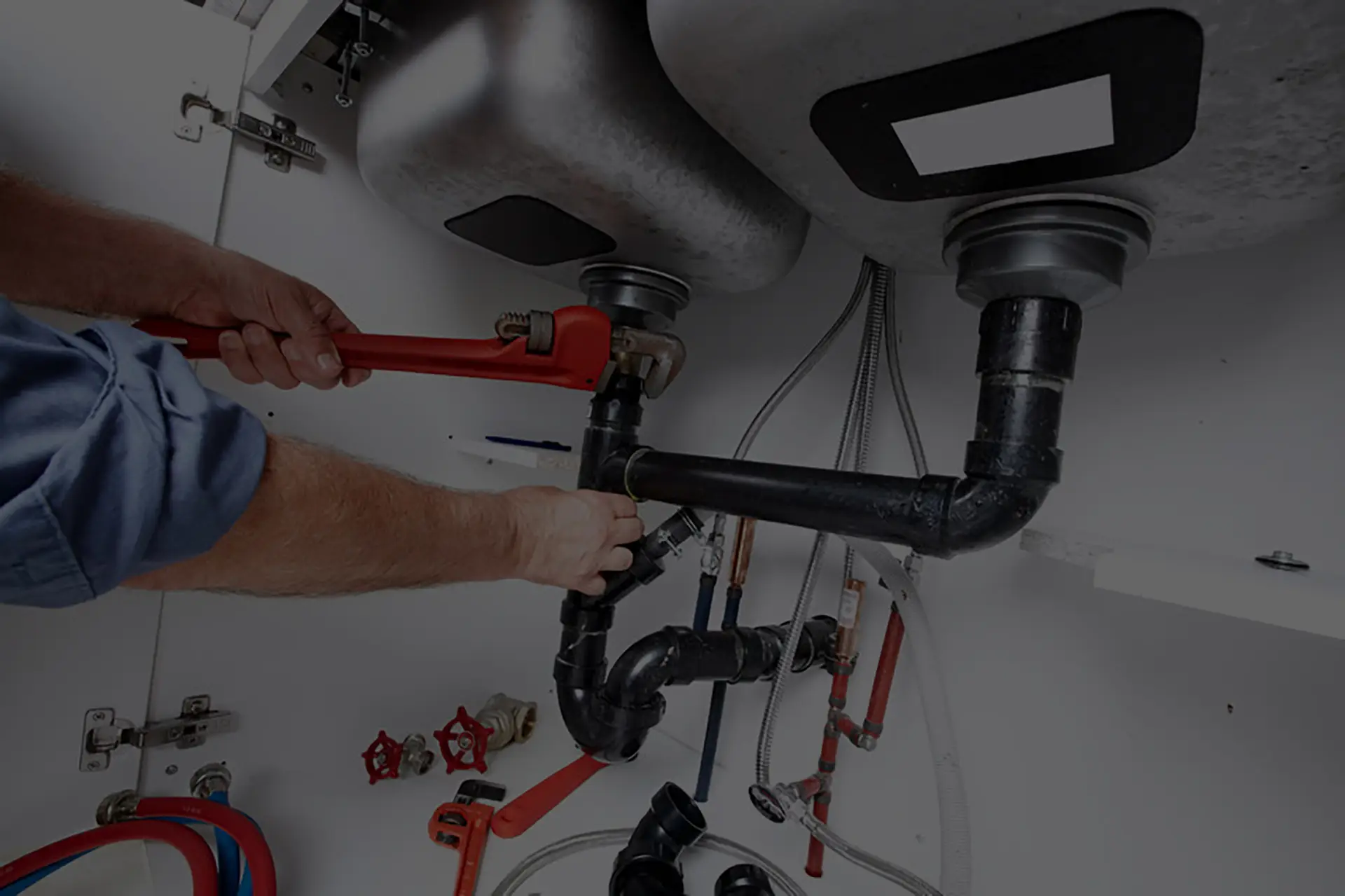
Dealing with persistent plumbing problems? It could be the sneaky sewer line blockages wreaking havoc behind the scenes. Plumbing problems like sewage backups or water leaks may surface, causing widespread chaos. From foul odors to backed-up toilets, sewage backups and leaks can turn your home into a plumbing nightmare. Understanding the signs and causes of sewer line blockages, sewage backups, and leaks is the first step towards combating plumbing issues effectively. In this post, we’ll delve into the world of sewer line blockages, uncovering their elusive nature and exploring practical solutions to tackle them head-on. Say goodbye to recurring plumbing woes as we shine a light on this hidden troublemaker, toilet.
Recognizing Sewer Line Issues
Silent Signs
Have you ever heard unexplained gurgling noises coming from your drains? Maybe you’ve noticed that your sinks, showers, and toilets are draining slowly. Another sign to look out for is the presence of foul odors and sewage backup emanating from your drains. These silent signs could indicate underlying issues with your sewer line, sewage backup.
Paying attention to these subtle indicators like sewage backup can help you catch issues early on before they escalate into major plumbing disasters.
Symptoms of Blockages
One of the most common symptoms of a blocked sewer line is water backing up in sinks, tubs, and sewage backup. Imagine turning on the sink, and suddenly, the toilet water starts bubbling – this could be another indication of a blockage in the sewer line. Moreover, if you’re experiencing multiple clogged fixtures at once, such as several drains being slow or backed up simultaneously, there’s likely an issue with your sewer line.
Being able to recognize these symptoms can save you from dealing with extensive damage caused by a severely blocked or damaged sewer line.
Sewage Backup Indicators
In addition to recognizing signs inside your home, it’s crucial to pay attention to any unusual odors in your yard or basement that resemble sewage. Furthermore, if you notice puddles of sewage around your property or areas without standing water, this could also point towards a problem with the sewer line. Keep an eye out for mold growth near floor drains as this may signal moisture buildup due to a compromised sewer pipe.
Spotting these indicators early can prevent significant health hazards and costly repairs associated with sewage backups.
Common Blockage Causes
Tree Root Intrusion
Tree roots are a silent culprit behind sewer line blockages. They can cause cracked or collapsed pipes, leading to visible infiltration in the sewer line. Increased tree root growth near the sewer line exacerbates this issue.
For instance, if a large tree is located close to your home’s main sewer line, its roots can infiltrate the pipe through small cracks or joints. As these roots grow and multiply, they can cause significant blockages and damage to the pipes.
This type of blockage is known as a soft blockage, where the intrusion of tree roots gradually obstructs water flow in the sewer lines.
Aging Pipes
Another common cause of sewer line blockages is aging pipes. Corrosion and rust on older pipes often lead to frequent leaks and cracks, reducing water flow due to pipe deterioration over time.
Imagine an old metal pipe with rust slowly eating away at its interior surface. This corrosion weakens the structural integrity of the pipe, making it more prone to developing cracks and leaks that contribute to clogging issues within the system.
The accumulation of sediments inside aging pipes further compounds this problem by narrowing down the passage for wastewater flow.
Foreign Objects
Foreign objects such as grease and oil accumulation in pipes pose another major threat. Flushing non-flushable items down toilets also contributes significantly to this issue.
Consider how pouring used cooking oil down your kitchen sink leads it into your drainage system where it solidifies over time, creating a sticky obstruction that traps other debris passing through. Similarly, flushing items like wet wipes or sanitary products down toilets causes them to accumulate in narrow sections of sewage lines which eventually results in severe clogs.
Understanding Sewer Line Dynamics
Corrosion Impact
Pipe corrosion is a major factor contributing to sewer line blockages. When certain chemicals react with the metal pipes over time, they can cause deterioration. This leads to leaks and blockages due to the weakened state of the pipes. For example, if there’s a buildup of grease or oil in the pipes, it can react with the metal and accelerate corrosion.
The impact of pipe corrosion on sewer lines is substantial. The gradual deterioration weakens the structural integrity of the pipes, making them susceptible to cracks and collapses. As a result, this not only causes leaks but also contributes to clogs within the sewer system. Imagine a rusted old bicycle chain that no longer moves smoothly – similarly, corroded pipes hinder smooth flow within sewer lines.
Soil Movement Effects
Another critical factor affecting sewer line dynamics is soil movement. Shifting soil can lead to misaligned pipes as they are pushed out of place by external forces acting on them from below ground level. Settling soil may cause sections of pipe to collapse under pressure due to changes in earth density or weight distribution.
Consider how an earthquake shifts buildings off their foundations; similarly, shifting soil disrupts the proper alignment of sewage systems underground. This kind of damage caused by ground movement doesn’t just stop at misalignment or collapse – it extends further into causing fractures and breaks along these pipelines.
Preventative Measures
Tree Root Management
Tree roots can be the silent culprits behind sewer line blockages. To prevent tree root intrusion, consider using root barriers. These barriers are physical or chemical deterrents that stop roots from growing into the sewer lines. Regularly trimming tree roots near sewer lines is crucial in preventing them from causing damage.
Another effective method to manage tree roots is by applying chemical treatments to deter root growth. These treatments can be purchased at hardware stores and are designed to discourage root penetration into pipes.
For example, a homeowner could install a physical barrier made of metal or plastic along the side of their property where trees are planted. This barrier would prevent tree roots from spreading toward the sewer line.
Maintenance Tips
Inspection Scheduling
To ensure the smooth operation of sewer lines, it’s crucial to schedule routine inspections. Setting reminders for these checks can help homeowners stay on top of maintenance tasks. Coordinating with local plumbers is also essential, as they can provide professional expertise and equipment for thorough inspections. Noting down inspection dates on household calendars ensures that this vital task doesn’t slip through the cracks.
Regular inspections are like health check-ups for sewer lines, allowing early detection and resolution of potential issues before they escalate. By coordinating with local plumbers, homeowners can tap into specialized knowledge and tools to conduct comprehensive assessments of their sewer systems. Noting down inspection dates is a visual reminder, helping individuals prioritize this important aspect of home maintenance.
Preventing Backups
Scheduling preventive maintenance is key to preventing sewer line blockages from causing backups in the plumbing system. Regularly clearing debris from gutters and downspouts plays a significant role in maintaining unobstructed water flow, reducing the risk of blockages downstream in the sewer lines. Furthermore, avoiding planting trees near sewer lines can prevent root intrusion that often leads to clogs and damage.
Preventive maintenance acts as a proactive approach to keeping sewer lines clear and functional by addressing potential issues before they become major problems. Clearing debris from gutters and downspouts helps maintain proper drainage around the property, minimizing the likelihood of debris entering sewer lines during heavy rainfall or storms. Being mindful of tree placement prevents root systems from encroaching on sewer lines, mitigating one common cause of blockages.
Repair Options
No-Dig Solutions
There are several no-dig solutions available. One effective method is trenchless pipe lining, which involves inserting a resin-coated flexible tube into the damaged pipe and inflating it until the resin hardens, creating a new seamless pipe within the old one. This non-invasive repair option is beneficial as it does not require extensive excavation, minimizing disruption to landscaping and structures above ground.
Another no-dig solution is hydro jetting, a process that utilizes high-pressure water to clear out debris, sediment, and tree roots that cause blockages within sewer lines. By using water pressure of up to 4000 psi, hydro jetting effectively removes obstructions without causing damage to the pipes themselves.
Pipe bursting is an alternative trenchless repair method for sewer line blockages. This technique involves breaking apart the existing damaged pipe while simultaneously pulling through a new replacement pipe in its place. As with other no-dig solutions, this approach significantly reduces the need for extensive excavation and disruptive digging.
Replacement Techniques
In some cases where sewer line blockages are severe or when pipes have sustained irreparable damage, replacement techniques may be necessary. Pipe relining offers an efficient way to repair specific damaged sections of sewer lines without having to replace the entire pipeline. A liner coated with epoxy resin is inserted into the affected area and inflated until it adheres tightly to the interior walls of the existing pipe.
Trenchless pipe replacement presents another viable option for mitigating sewer line blockage issues while minimizing disruption. With this technique, professionals can install a new pipeline underground without needing to excavate large trenches across your property or disrupt your daily activities extensively.
It’s crucial for homeowners facing persistent plumbing issues due to sewer line problems to consider hiring professionals who specialize in safe and efficient replacements. These experts possess the specialized knowledge and equipment for executing complex repairs or replacements accurately while ensuring minimal disturbance.
Dealing with Weather Conditions
Heavy Rainfall Challenges
When it rains heavily, stormwater runoff can overwhelm the sewer system, leading to sewer line blockages. To prevent backups, it’s crucial to manage stormwater effectively by ensuring that gutters and downspouts are clear of debris. Proper grading around the property is also essential to direct water away from the foundation and prevent water accumulation near sewer lines.
Upgrading drainage systems for heavy rainfall can involve installing larger pipes or adding a backflow prevention device to mitigate the impact of excess water on sewer lines. By addressing these aspects, homeowners can significantly reduce the risk of sewer line blockages during periods of heavy rain.
Extreme Weather Management
Freezing temperatures pose a significant challenge as they can cause water within sewer lines to freeze and expand, potentially leading to pipe damage or blockages. During such conditions, taking precautions such as insulating exposed pipes and allowing faucets to drip slightly can help prevent freezing within the sewer system.
Monitoring sewer lines during periods of heavy rain is vital in identifying any signs of potential issues early on. This proactive approach allows homeowners to address concerns promptly before they escalate into more severe problems. Securing manhole covers during severe weather events prevents debris from entering the sewers and causing obstructions.
Municipal Sewer Challenges
Aging Infrastructure
Sewer systems are crucial for a healthy community, but sewer line blockages can cause significant issues. One of the primary challenges is the aging infrastructure. Old pipes made from materials such as clay or cast iron can deteriorate over time, leading to cracks and collapses. Upgrading these old pipes with modern materials like PVC or investing in regular maintenance can significantly reduce sewer line blockages.
Coordinating with local authorities for infrastructure upgrades is essential to ensure that the sewer system remains efficient and reliable. For example, collaborating with city officials to prioritize areas with aging infrastructure for replacement or repair can help prevent future blockages and other plumbing issues.
Investing in regular maintenance for aging infrastructure is vital to keep the sewer lines clear and functioning properly. This includes proactive measures such as periodic inspections, cleaning, and repairs when necessary.
Community Prevention
In addition to addressing infrastructure concerns, community prevention plays a crucial role in minimizing sewer line blockages. Educating neighbors about preventing sewer line issues through simple practices like not flushing non-biodegradable items down toilets can make a significant difference.
Collaborating with community organizations on prevention initiatives further strengthens efforts to combat sewer line blockages. By partnering with local environmental groups or neighborhood associations, communities can organize educational workshops or campaigns focused on proper waste disposal practices.
Sharing resources on maintaining healthy sewer systems within the community also helps raise awareness about preventing sewer line blockages. Providing informational pamphlets or online resources detailing best practices for homeowners regarding their sewer lines promotes proactive care of this critical aspect of residential plumbing.
Emergency Handling
Sewage Backup Recovery
It’s crucial to hire professional restoration services after a backup. These experts possess the necessary equipment and expertise to safely remove the sewage, disinfect the area, and restore it to its original state. By hiring professionals, homeowners can ensure that their property is thoroughly cleaned and sanitized.
Thoroughly disinfecting affected areas after a sewage backup is essential for preventing health hazards. The disinfection process involves using specialized cleaning agents to eliminate harmful bacteria and viruses present in the sewage. This step is vital for safeguarding the health of individuals who may come into contact with the affected areas.
Repairing any structural damage caused by sewage backups is another critical aspect of recovery. Structural damage can compromise the integrity of a home or building, leading to safety concerns if not addressed promptly. Professional restoration services are equipped to assess and repair any structural issues resulting from sewage backups.
Blockage Identification
Knowing the signs of potential blockages in sewer lines empowers homeowners to take proactive measures before major issues arise. Common signs include slow drainage, gurgling sounds from drains, foul odors emanating from pipes, and water backing up into sinks or tubs.
Learning how to identify different types of blockages enables homeowners to communicate effectively with plumbing professionals when seeking assistance. Whether it’s a simple clog or a more complex root intrusion, understanding these distinctions can aid in resolving sewer line blockages efficiently.
Educating oneself on common causes of sewer line blockages helps homeowners implement preventive measures such as avoiding flushing non-biodegradable items down toilets or being mindful of what goes down kitchen drains.
Our Take on Sewer Line Blockages as the Silent Culprit Behind Plumbing Issues
So, there you have it – the ins and outs of sewer line blockages and how they can wreak havoc on your plumbing system. From recognizing the signs to understanding the dynamics and exploring preventative measures, you now have a solid grasp of this silent culprit. Remember, regular maintenance and proactive measures are your best friends in keeping those sewer lines clear and free-flowing.
Now that you’re armed with this knowledge, it’s time to take action. Schedule that routine inspection, implement those preventative tips, and don’t hesitate to seek professional help when needed. Your plumbing will thank you for it!
Frequently Asked Questions
FAQ
What are the common signs of sewer line issues?
Some common signs of sewer line issues include slow drainage, gurgling sounds from drains, foul odors coming from drains or the yard, and water backups in sinks or toilets.
How can I prevent sewer line blockages?
You can prevent sewer line blockages by avoiding flushing non-biodegradable items down the toilet, being mindful of what goes down your kitchen sink, and scheduling regular professional inspections and maintenance.
What are some common causes of sewer line blockages?
Common causes of sewer line blockages include tree root infiltration, grease buildup, foreign objects flushed down toilets, and aging pipes that have deteriorated or collapsed.
How do weather conditions affect sewer lines?
Extreme weather conditions such as heavy rain or freezing temperatures can impact sewer lines by causing flooding which may overwhelm the system or lead to pipe damage due to freezing and thawing cycles.
When should I seek emergency assistance for a sewer line issue?
It’s essential to seek emergency assistance if you notice sewage backing up into your home through drains or toilets. This indicates a severe problem with your main sewer line that requires immediate attention.
Struggling with Sewer Line Blockages?
Bay Area Plumbing – BAP Inc., led by Ron Lem, The Dutchman, is your go-to for expert sewer line blockage solutions. Our Concord plumbing team specializes in efficiently resolving blockages, from simple clogs to complex repairs, ensuring your system works flawlessly.
Choosing BAP means opting for quality and satisfaction. We offer a solid, signed, written guarantee and competitive pricing, with a promise to beat any written quote. Schedule your service at your convenience, and rely on our commitment to transparency – no hidden fees, just honest pricing. Plus, we provide 24/7 support and free estimates. For reliable, efficient solutions to sewer line blockages, contact BAP today and experience top-notch plumbing service!
Disclaimer
The materials available on this website are for informational and entertainment purposes only and not to provide legal advice. You should contact your attorney to obtain advice concerning any particular issue or problem. You should not act or refrain from acting based on any content included in this site without seeking legal or other professional advice. The information presented on this website may not reflect the most current plumbing developments. No action should be taken in reliance on the information contained on this website and we disclaim all liability concerning actions taken or not taken based on any or all of the contents of this site to the fullest extent permitted by law.