
Leaky Faucet Repair 101: A Quick Guide for Martinez Residents
Picture this: you’re enjoying a lazy Sunday afternoon at home in Martinez when you notice that annoying drip-drip sound coming from your bathroom faucet. It’s not just a minor inconvenience; it’s also wasting water and potentially driving up your utility bills. With a little know-how and some basic tools, you can tackle that leaky faucet on your own.
In this quick guide, we’ll walk you through the step-by-step process of repairing common faucet leaks in your Martinez home. No need to call in expensive plumbing services or wait for someone else to fix it. You’ll learn the basics of identifying the issue, disassembling the faucet, replacing worn-out parts, and putting it all back together again.
Save money and gain confidence by taking matters into your own hands with this comprehensive guide to leaky faucet repair.
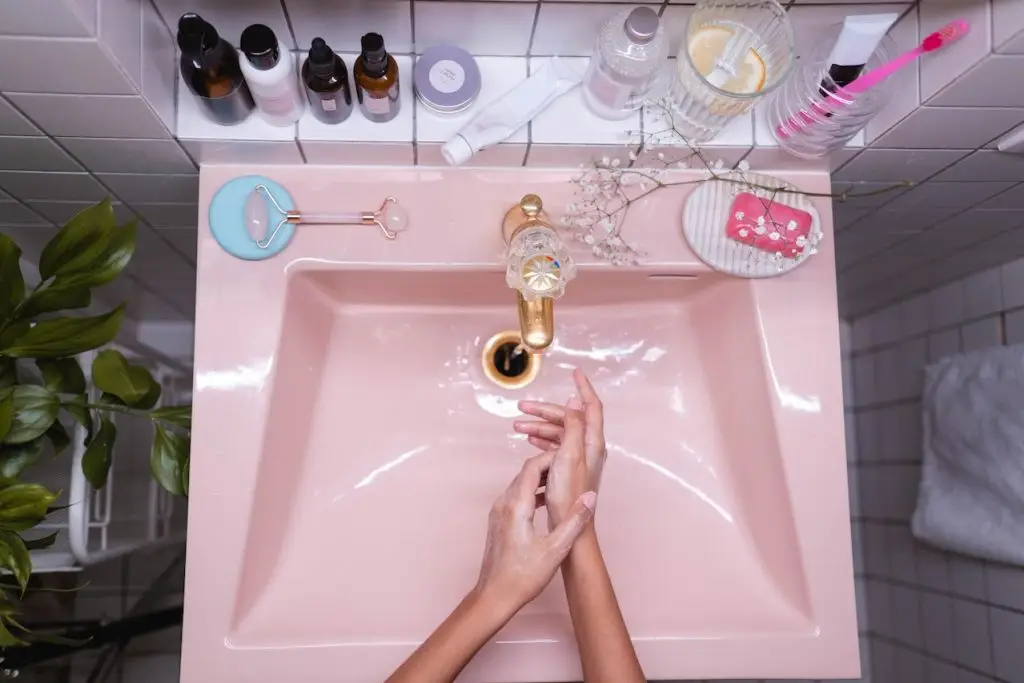
Understanding Different Faucet Types
Identify various faucet types
Different homes have different types of faucets, and it’s essential to understand the variations. By identifying the specific type of faucet in your home, you can better comprehend its inner workings and repair methods.
Compression Faucets
One common type is the compression faucet. These faucets feature separate hot and cold handles that need to be twisted to control water flow. When these handles are turned, they compress a rubber washer against a valve seat, creating a watertight seal. Leaks in compression faucets often occur due to worn-out washers or damaged valve seats.
Cartridge Faucets
Another prevalent faucet type is the cartridge faucet. These faucets use a movable cartridge that controls water flow and temperature. They typically have one handle that rotates left or right for hot or cold water adjustment. Cartridge faucets are known for their durability and ease of maintenance.
Ball Faucets
Ball faucets are commonly found in older homes. They feature a single handle attached to a rounded ball-shaped cap above the spout. The movement of this ball controls both temperature and water flow. While ball faucets are less common today, understanding their repair methods can still come in handy if you encounter one.
Ceramic Disc Faucets
Ceramic disc faucets are modern fixtures known for their reliability and longevity. Instead of washers, these faucets use two ceramic discs that slide against each other to control water flow and temperature accurately. Although ceramic disc faucets rarely leak, they may require maintenance if sediment buildup affects their performance.
Understanding the different types of faucets commonly found in homes is crucial. Each type has its own unique design and repair requirements, so being familiar with their inner workings will help you tackle any leaks or issues that may arise.
Troubleshooting and Fixing Leaky Faucets
Diagnose the cause of a leaking faucet using simple troubleshooting techniques.
If you’re dealing with a leaky faucet, don’t panic! You can save some cash by fixing it yourself. The first step is to diagnose the cause of the leak. Start by turning off the water supply to the faucet and examining it closely. Look for any visible signs of damage or wear.
Explore common reasons for leaks, such as worn-out washers or O-rings.
One common culprit behind a leaky faucet is a worn-out washer or O-ring. These small components can deteriorate over time, causing water to seep through. If you notice dripping near the spout, chances are it’s due to a faulty washer or O-ring.
To fix this issue, you’ll need to disassemble your faucet and replace the damaged part. Make sure to turn off the water supply before starting any repairs. Take note of how everything is assembled so that you can put it back together correctly later.
Follow step-by-step instructions to fix leaks in different parts of a faucet.
Depending on your type of faucet, there may be specific steps involved in repairing different parts. For example, if you have a cartridge-style faucet, you’ll need to remove the handle and cartridge assembly before replacing any faulty components.
On the other hand, if you have a compression-style faucet, you’ll need to unscrew the valve stem assembly and replace any worn-out washers or O-rings. It’s important to follow manufacturer guidelines or consult online resources for detailed instructions specific to your faucet model.
Get tips on using plumber’s tape and other tools for effective repairs.
When fixing your leaky faucet, having some essential tools on hand can make all the difference. Plumber’s tape (also known as Teflon tape) is useful for creating watertight seals when reassembling your faucet. Apply a few wraps of tape around the threads of any connections to prevent leaks.
Having a set of adjustable wrenches, screwdrivers, and pliers will come in handy for disassembling and reassembling various parts. These tools will help you tighten or loosen fittings as needed during the repair process.
Remember, if you’re unsure about any step or encounter difficulties during the repair, it’s always wise to consult a professional plumber.
Replacing Cartridge in Bathroom Sink Faucet
To fix a leaky bathroom sink faucet, you need to determine if a faulty cartridge is the culprit. If you’ve already tried troubleshooting and the leak persists, it’s time to replace the cartridge. Here’s a quick guide on how to do it:
Determine Faulty Cartridge
- Turn off the water supply: Before starting any repair work, shut off the water supply to your bathroom sink faucet.
- Inspect for leaks: Check if water is dripping from the spout or handle of your faucet. If so, it indicates a faulty cartridge.
- Identify your faucet type: Different faucets have different types of cartridges—typically either ceramic disc or compression cartridges.
Gather Tools and Materials
To replace the cartridge, gather these tools and materials:
- Adjustable wrench
- Screwdriver (flathead or Phillips)
- Replacement cartridge (specific to your faucet model)
Remove and Install New Cartridge
Follow these steps to remove and install a new cartridge:
- Access the cartridge: Locate the decorative cap on top of your faucet handle and remove it using a flathead screwdriver.
- Unscrew retaining nut: Use an adjustable wrench to loosen and remove the retaining nut that holds the handle in place.
- Remove old cartridge: Pull out the old cartridge carefully by gripping its stem with pliers or using a specialized removal tool.
- Insert new cartridge: Align the replacement cartridge with its corresponding slot in the valve body and push it firmly into place.
- Reassemble faucet: Put back all components in reverse order—retaining nut, handle, and decorative cap—ensuring everything is tightly secured.
Ensure Proper Functioning
After replacing the cartridge, turn on the water supply and test your bathroom sink faucet for any leaks or drips. If everything looks good, congratulations! You’ve successfully repaired your leaky faucet.
Maintaining Your Faucets for Longevity
Regular maintenance is key to preventing future leaks and ensuring the longevity of your faucets. By following a few simple practices, you can keep your faucets in top shape for years to come.
Essential Maintenance Practices
- Regular cleaning: Cleaning your faucets regularly helps remove dirt, grime, and mineral buildup that can lead to leaks. Use a mild cleaner and a soft cloth to gently wipe down the surfaces.
- Lubricate moving parts: Over time, the moving parts of your faucet may become stiff or worn out. Applying a small amount of lubricant can help keep them functioning smoothly.
- Check for mineral buildup: Hard water can cause mineral deposits to accumulate on the aerator and other components of your faucet. Regularly inspect these areas and clean off any buildup using vinegar or a descaling solution.
Extending Lifespan through Cleaning
Cleaning your faucets not only keeps them looking shiny but also extends their lifespan. By removing dirt and debris, you prevent blockages that could strain the faucet’s mechanisms and cause leaks.
Inspecting Aerators and Screens
Aerators and screens play an important role in maintaining optimal water flow from your faucets. Periodically check these components for clogs or damage, as they can affect water pressure and lead to leaks.
Seeking Professional Help
If you’re unsure about how to perform maintenance tasks on your faucets or if you notice persistent leaks despite regular upkeep, it’s best to seek assistance from a professional plumber. They have the expertise to diagnose any underlying issues and provide effective solutions.
Remember, proper maintenance goes a long way in avoiding costly repairs down the line. Take care of your faucets today so that they continue serving you well tomorrow!
Troubleshooting Low Water Pressure Issues
Diagnose low water pressure problems easily
If you’re experiencing weak water flow from your faucets, it’s important to diagnose the issue. Start by checking if the low water pressure is affecting all the faucets in your home or just a specific one. This will help you determine if it’s a widespread problem or isolated to a particular area.
Find out possible causes behind low water pressure issues
Low water pressure can be caused by various factors. One common culprit is clogged aerators, which can accumulate mineral deposits over time and restrict the flow of water. Another potential cause could be a faulty water pressure regulator that needs adjustment. Identifying these causes will guide you in resolving the issue effectively.
Learn how to clean clogged aerators and remove mineral deposits
To address clogged aerators, start by unscrewing them from the affected faucets. Then, soak them in vinegar for a few hours to dissolve any mineral buildup. Afterward, rinse them thoroughly with water and reattach them to their respective faucets. This simple cleaning process can significantly improve water flow.
Get tips on adjusting water pressure regulators to improve flow
If your low water pressure issue stems from a faulty or misadjusted regulator, it may require some tinkering. Locate your home’s main water supply valve and adjust it accordingly to increase or decrease the pressure as needed. It’s advisable to consult a professional plumber if you’re unsure about making adjustments yourself.
Remember, maintaining proper water flow is essential for everyday tasks like washing dishes or taking showers. By diagnosing low-water-pressure issues, identifying possible causes, cleaning clogged aerators, and adjusting regulators when necessary, you’ll ensure optimal performance from your faucets.
Wrapping Up Leaky Faucet Repair Guide
Congratulations! You’ve made it through our comprehensive guide on leaky faucet repair. By now, you should have a solid understanding of different faucet types, troubleshooting and fixing leaky faucets, replacing cartridges, and maintaining your faucets for longevity. Armed with this knowledge, you’ll be able to tackle any leaky faucet issue that comes your way.
But before we part ways, let’s recap the key takeaways. First and foremost, don’t ignore a leaky faucet – it may seem like a minor annoyance, but it can waste a significant amount of water and drive up your utility bills. Remember to identify the type of faucet you have before attempting any repairs or replacements. And always start with basic troubleshooting techniques before diving into more complex solutions.
Now that you’re equipped with the know-how to fix those pesky leaks in your Martinez home, go ahead and put your newfound skills to use! Don’t let a leaking faucet dampen your day any longer. Take action today and enjoy the satisfaction of a fully functional faucet.
Tired Of Dealing With That Persistent Leaky Faucet?
Looking for a plumber you can truly trust to solve your plumbing woes? Look no further! Experience a plumbing revolution tailored for your convenience with Bay Area Plumbing – BAP Inc., led by the renowned Ron Lem, The Dutchman. Our local Concord plumbing team is dedicated to addressing all your plumbing needs, from those pesky leaks to complete replacements and repairs of sinks, faucets, toilets, and water heaters.
When you choose BAP for your leaky faucet repair and plumbing solutions, you’re making a choice that guarantees quality, respects your precious time, and prioritizes your satisfaction above all else. We back our work with a rock-solid, signed, written guarantee, ensuring you receive top-notch service. Worried about the cost? Don’t be! Get a free estimate today, and we promise to beat any written quote you receive. We understand that your time is valuable, so schedule your service at your convenience, and we’ll be there when you need us. Our dedication to you doesn’t end until your problem is fully resolved, and we’re committed to complete upfront transparency, with no hidden costs or surprises – just clear, fair pricing. Plus, enjoy the peace of mind of round-the-clock support with free estimates and service available 24/7.
Don’t compromise on your plumbing needs. When it’s time to address that leaky faucet or any plumbing issue, make the choice that guarantees quality, respects your time, and prioritizes your satisfaction. Call BAP today, and experience the plumbing service you deserve!
Disclaimer
The materials available on this website are for informational and entertainment purposes only and not to provide legal advice. You should contact your attorney to obtain advice concerning any particular issue or problem. You should not act or refrain from acting based on any content included in this site without seeking legal or other professional advice. The information presented on this website may not reflect the most current plumbing developments. No action should be taken in reliance on the information on this website. We disclaim all liability concerning actions taken or not taken based on any or all of the contents of this site to the fullest extent permitted by law.